TEMPORARY, ARCHIVES
2022-10-06 - 2023-02-26
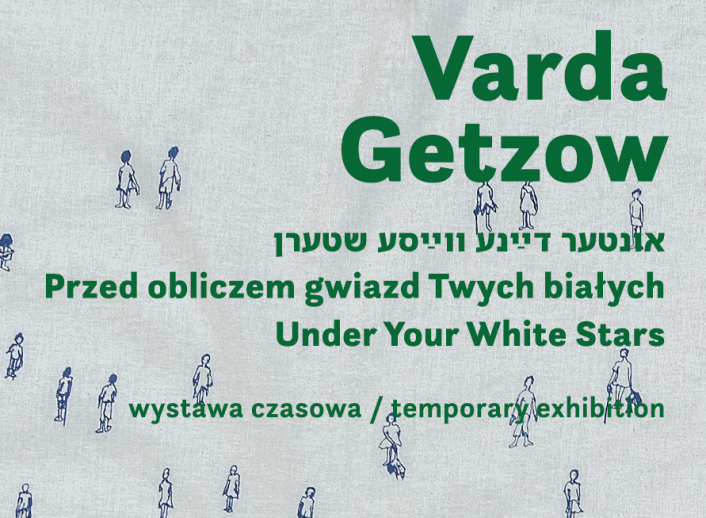
“Under Your White Stars”
Date: from 6 October 2022 to 26 February 2023 Place: Oskar Schindler’s Enamel FactoryExhibition
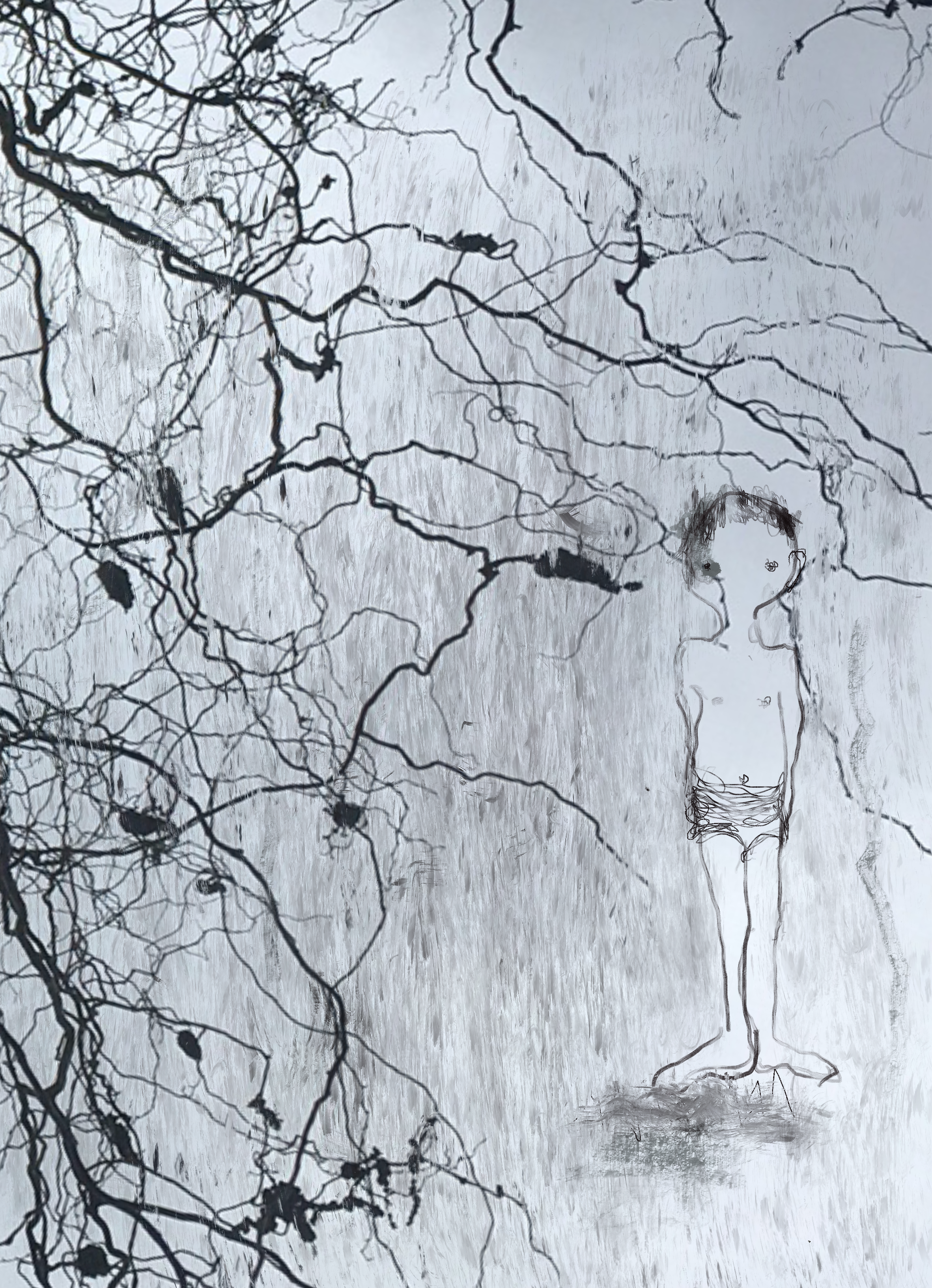
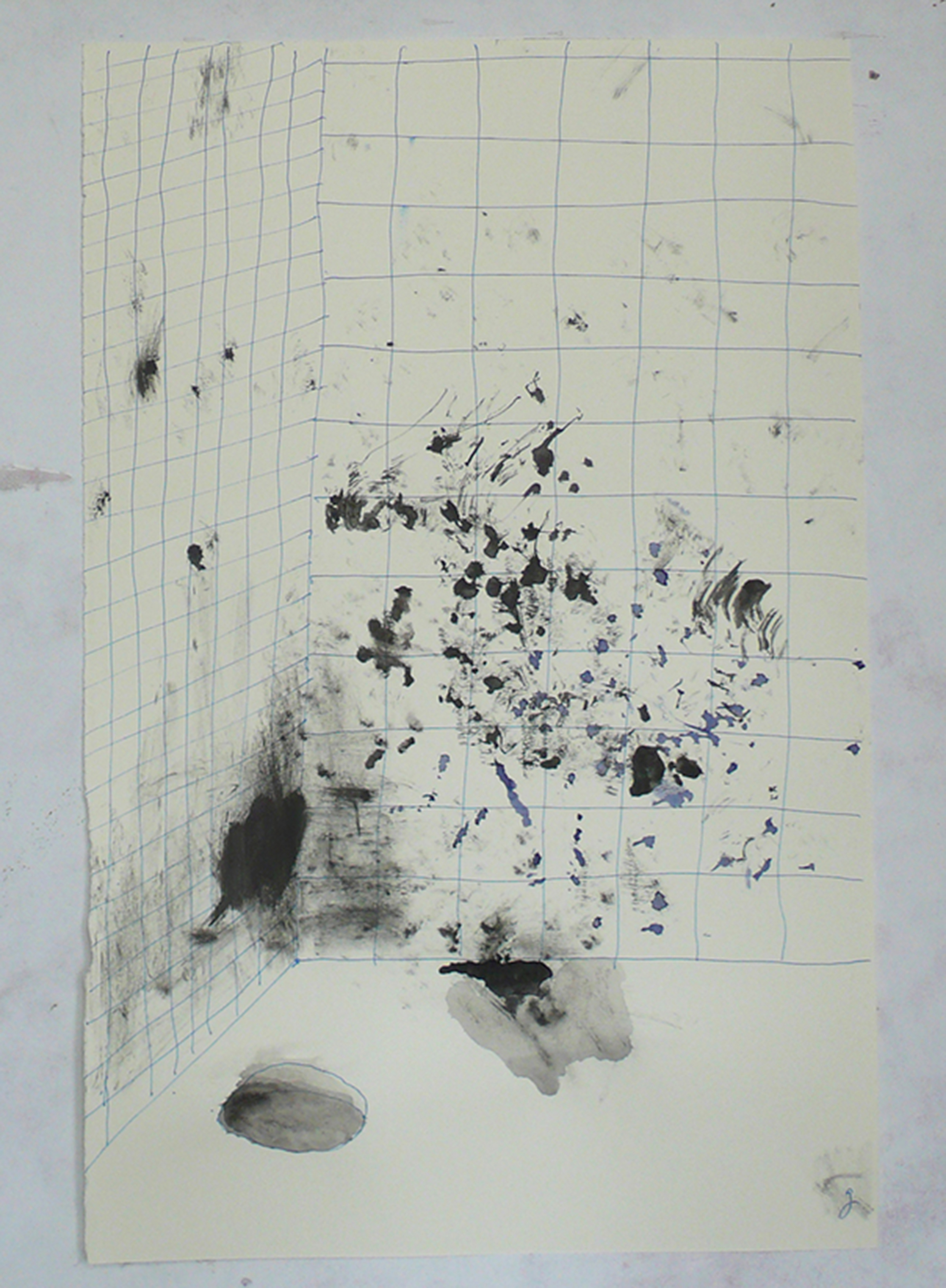

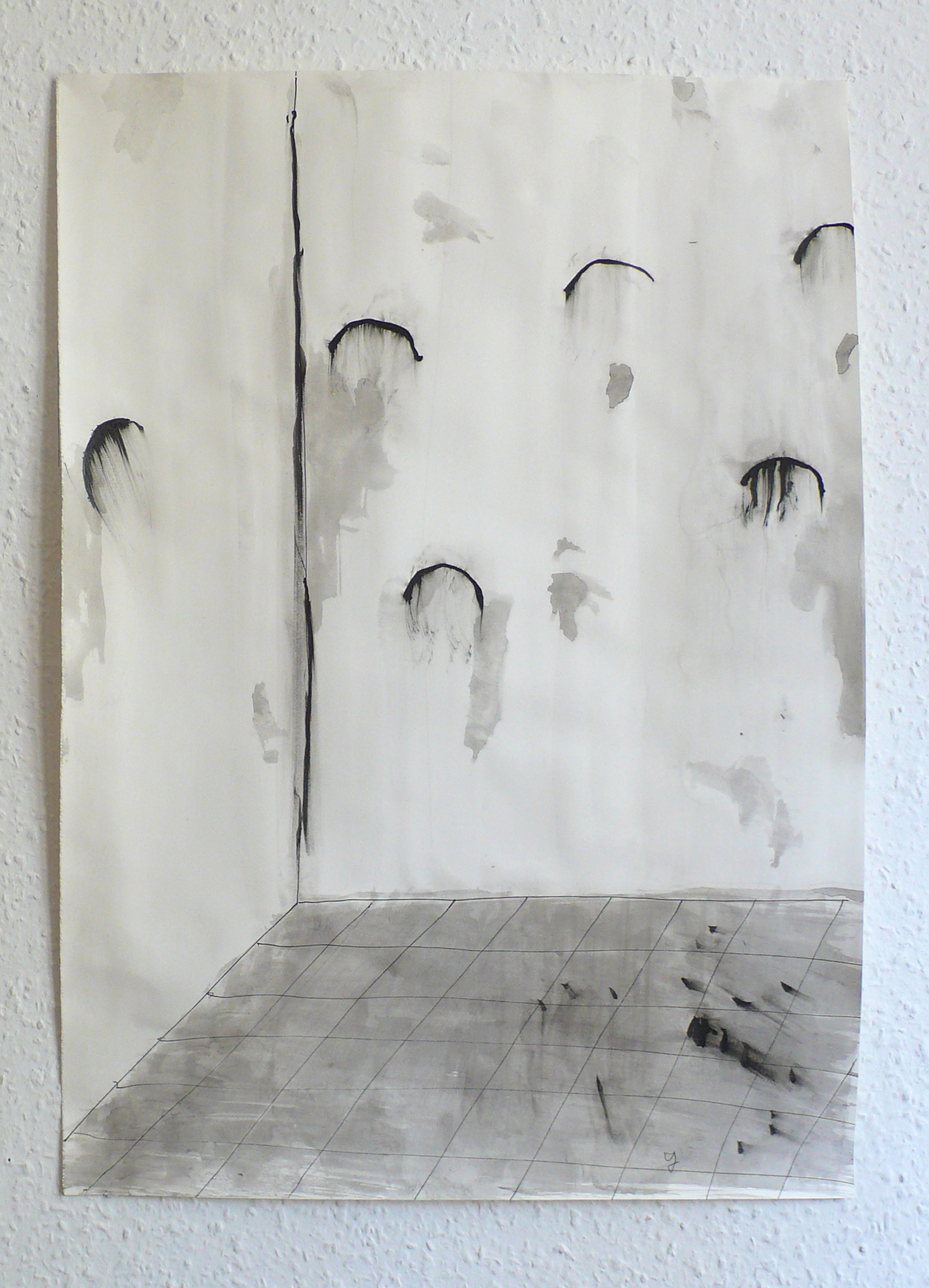
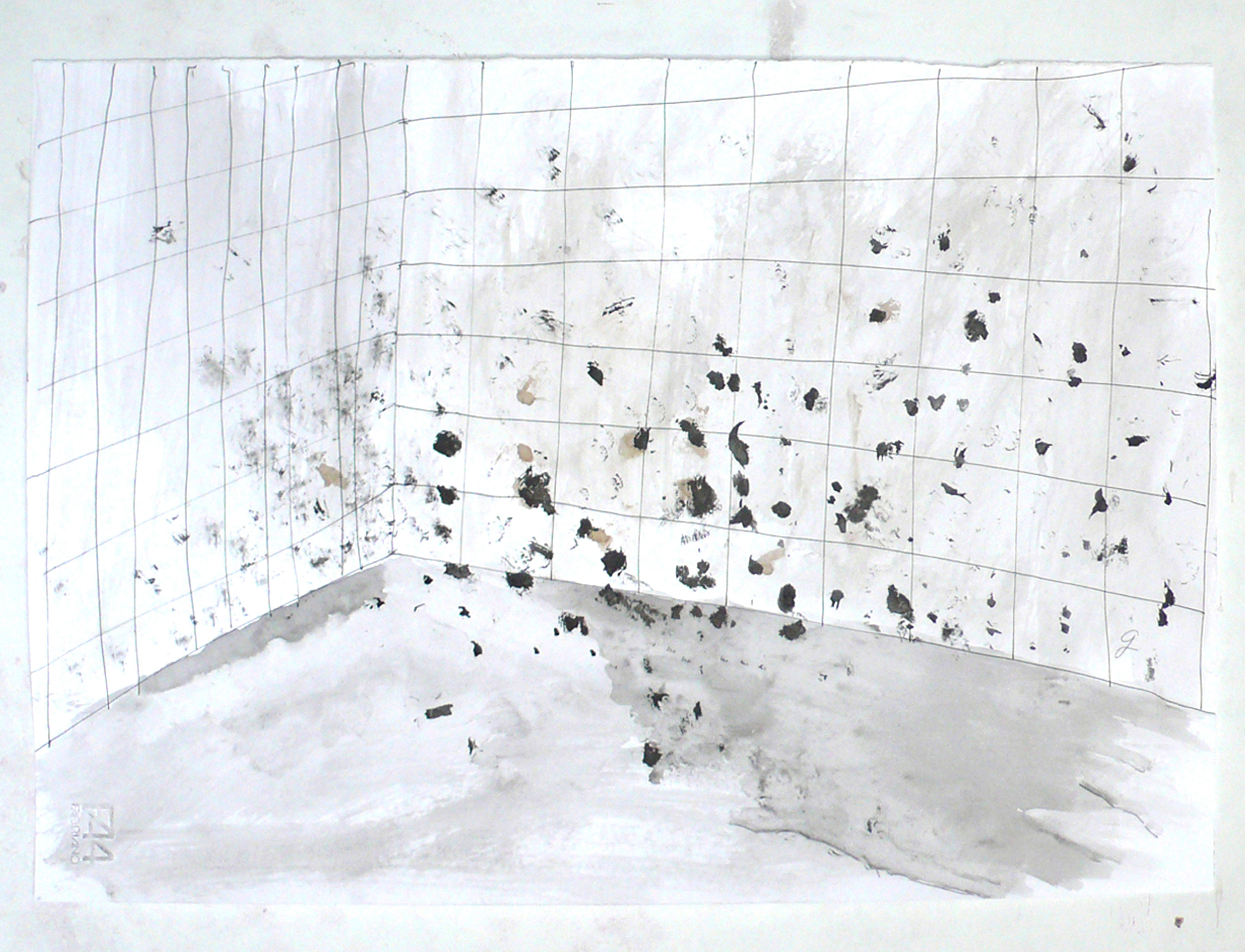
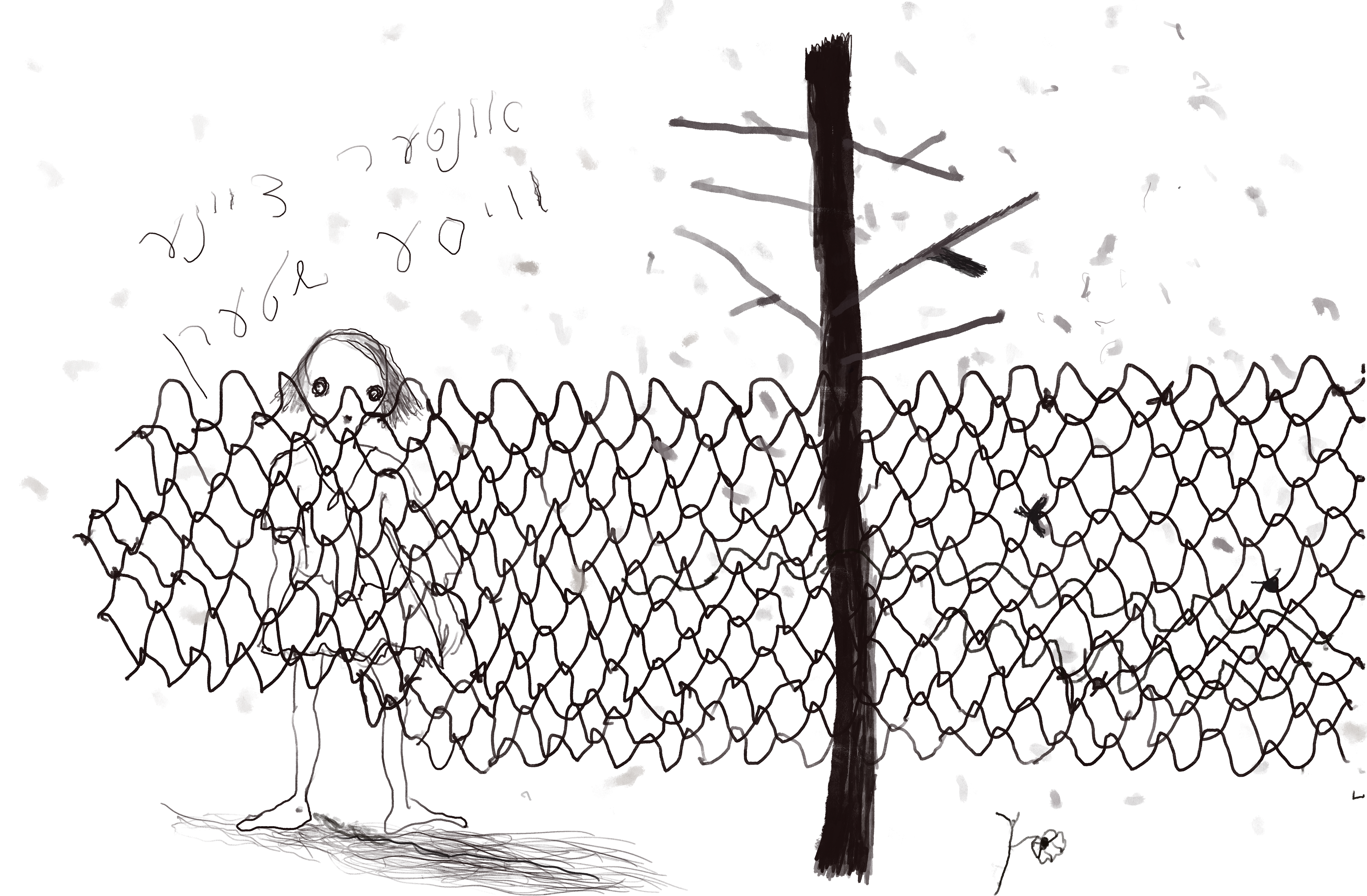
The Israeli artist Varda Getzow frequently focuses her artistic projects on memory. She belongs to the Second Generation as a daughter of Holocaust survivors, and hence the theme of war, Shoah, post-memory is continually addressed in her work, although almost never directly. The topic is usually evoked by the location of presentation or installation of her work. This also applies to her individual exhibition “Under Your White Stars” held in Krakow. The Holocaust provides the context for the presented works, by reference to two historic places: Oskar Schindler’s Enamel Factory and the KL Plaszow memorial site. However, the artist adopted a special approach to the theme, a universal perspective, with children and their suffering as the central motif. The presented works refer to the post-memory of the Holocaust not by a direct message, but by evoking in the viewer the feeling of anxiety, distortion, alienation and ambivalence. The reception of Varda Getzow’s work is based on emotions triggered not by a picture as such, but also by all things intentionally omitted.
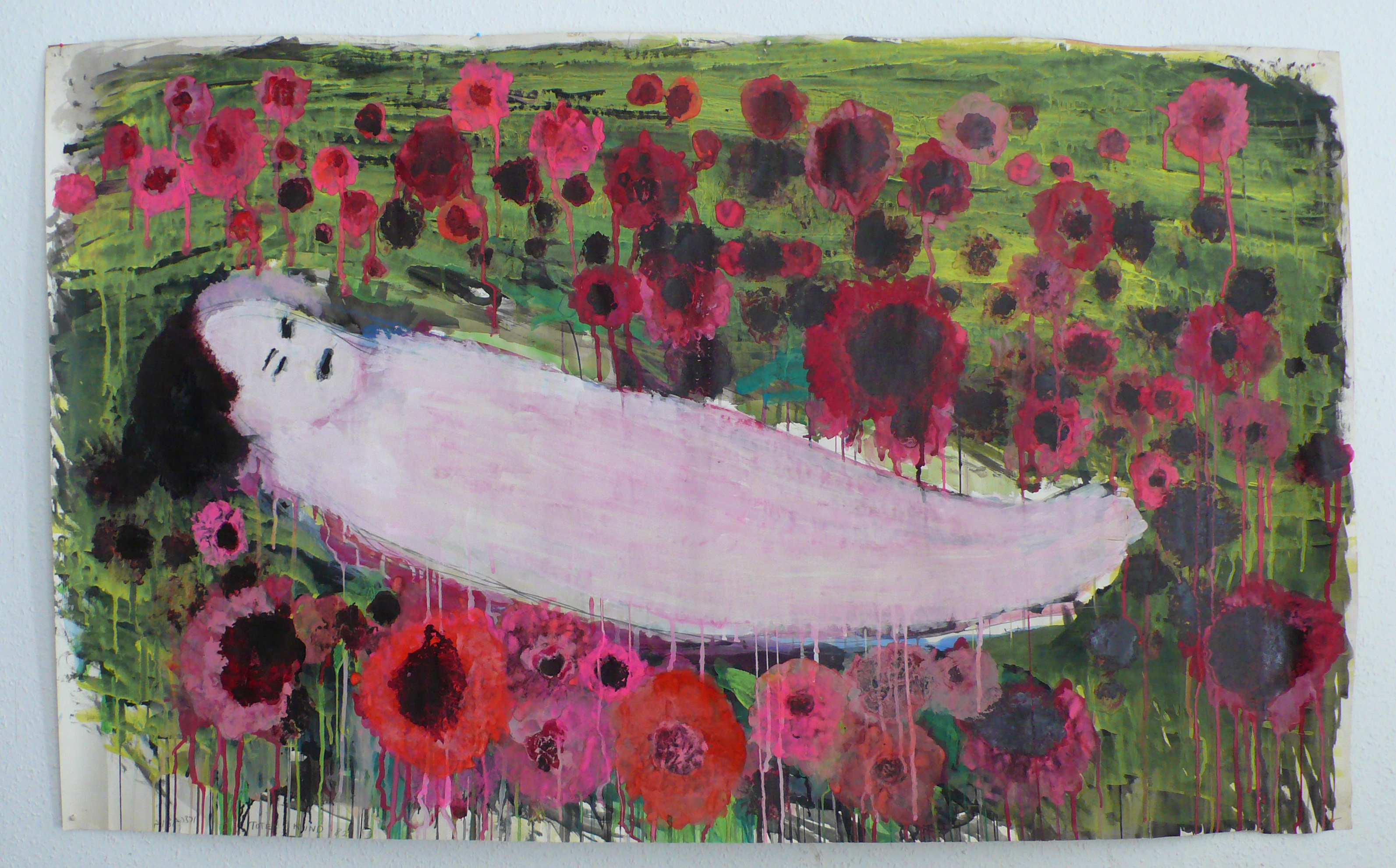
The drawings by Varda Getzow represent children who frequently are lonely, handicapped, vulnerable, desolate. Their rather conventional images contrast with the section of this exhibition that features archive photographs of Jewish children from the interwar period. The photographs taken in Poland depict children playing, learning, celebrating holidays or important family events, in a familiar environment. The children, although unidentified, have faces and thus are presented to the viewer as subjects, individuals.
Both the location of exhibition and the poem referred to in its title, written by Avraham Sutzkever in the Vilna Ghetto, inseparably connect the work by Varda Getzow with the fate of the youngest victims of the Holocaust. However, the author draws our attention to the universal nature of the theme: in our times, children’s suffering caused by military conflicts continues to be a major unresolved problem.
The exhibition is accompanied by a bilingual catalogue written by Dr. Dalia Manor, the exhibition curator. The publication contains an essay by the curator, dedicated to the works by Varda Getzow, both displayed in her individual exhibition in Krakow, and created previously. The book is supplemented with a number of reproductions showing works created by Varda Getzow, and also contains her artistic biography.
The drawings by Varda Getzow represent children who frequently are lonely, handicapped, vulnerable, desolate. Their rather conventional images contrast with the section of this exhibition that features archive photographs of Jewish children from the interwar period. The photographs taken in Poland depict children playing, learning, celebrating holidays or important family events, in a familiar environment. The children, although unidentified, have faces and thus are presented to the viewer as subjects, individuals.
Both the location of exhibition and the poem referred to in its title, written by Avraham Sutzkever in the Vilna Ghetto, inseparably connect the work by Varda Getzow with the fate of the youngest victims of the Holocaust. However, the author draws our attention to the universal nature of the theme: in our times, children’s suffering caused by military conflicts continues to be a major unresolved problem.
The exhibition is accompanied by a bilingual catalogue written by Dr. Dalia Manor, the exhibition curator. The publication contains an essay by the curator, dedicated to the works by Varda Getzow, both displayed in her individual exhibition in Krakow, and created previously. The book is supplemented with a number of reproductions showing works created by Varda Getzow, and also contains her artistic biography.
Title
The title of Varda Getzow's exhibition “Under Your White Stars” (Yiddish “Unter dayne vayse shtern”) is also the title of a poem written by Avraham Sutzkever, one of the greatest authors of Yiddish literature. The poet was born to a Rabbinic family in Smorgon, today in Belarus, on 15 July 1913. He grew up and studied in Vilna (Vilnius) where he joined the literary group Jung Wilne that promoted Yiddishism. He published his works in the most renowned Jewish periodicals, such as “Der Moment” or “In Zicht”. His maiden poetic volume titled “Lider” was enthusiastically welcome by the literary community, especially the Jewish Scientific Institute. During World War II, he lived in the Vilna Ghetto, continuing his literary activity, and wrote there his most famous poem “Kol Nidre”, smuggled to Moscow with the help of partisans and originally published in that city. Sutzkever was an active member of the United Partisan Organization led by Yitzhak Wittenberg and of an informal group aiming to rescue the scientific and cultural heritage of Vilna Jews. His wife and child were murdered in the Ghetto. After the liquidation of the Ghetto, he hid in the house of a Polish woman, and in 1944 he was transferred to Moscow thanks to the efforts of Russian artists, and resumed writing. He testified at the Nuremberg trials as the only Jewish witness called by the USSR. In 1947, he emigrated to Israel. Until his death in 2010, he was an active member of multiple Israeli organizations aiming to preserve Yiddish culture. In 1966 he was nominated for Nobel Prize in Literature.
The quote in the exhibition title from a poem written in one of the European ghettos by a poet who was inseparably connected with Jewish culture clearly sets the theme addressed by the artist in the context of the Holocaust.
The poem is not chosen accidentally: it intentionally indicates the contrast between human suffering and the perpetual rhythm of nature. Death comes during a starry night, and this emphasizes indifference of nature to the fate of man and his world. The immanent beauty of landscape is both combined with and completely separated from cruelty perpetrated by mankind. The line from the poem by Sutzkever encourages a wider view on the proposed narrative and outlines the inseparable coexistence of various manifestations of art and creative imagination.
The quote in the exhibition title from a poem written in one of the European ghettos by a poet who was inseparably connected with Jewish culture clearly sets the theme addressed by the artist in the context of the Holocaust.
The poem is not chosen accidentally: it intentionally indicates the contrast between human suffering and the perpetual rhythm of nature. Death comes during a starry night, and this emphasizes indifference of nature to the fate of man and his world. The immanent beauty of landscape is both combined with and completely separated from cruelty perpetrated by mankind. The line from the poem by Sutzkever encourages a wider view on the proposed narrative and outlines the inseparable coexistence of various manifestations of art and creative imagination.
Area of the KL Plaszow Museum
The exhibition featuring Varda Getzow’s work named "Under Your White Stars” presented on the premises of Oskar Schindler’s Enamel Factory, not only due to the space of its arrangement, but also by inspiration with the green area of former German concentration camp Plaszow, intentionally indicated in the installation, clearly sets the main train of thought of the artist in the events of World War II, especially its impact on its most vulnerable victims: children.
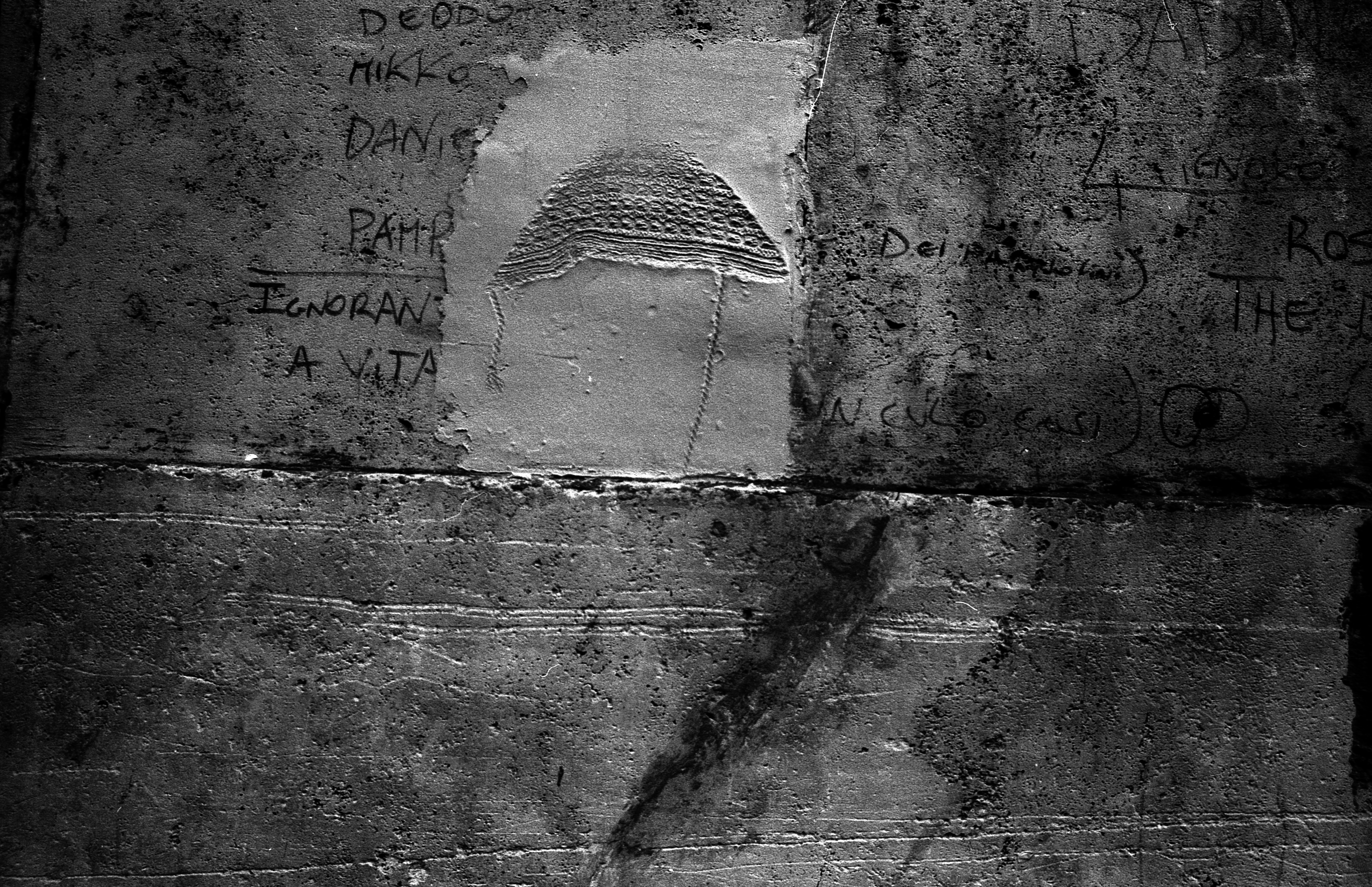
The black and white space of the exhibition contrasts with the green fabric partly covering the surface. The installation includes digital photographs taken by the artist during her visit to Krakow. The narrative does not unveil in an empty space, but is presented against the local environment, creating a multidimensional context. The photographs were taken in the Krakow Botanical Garden and in the KL Plaszow memorial site. The first space, representing humanist respect for nature, development and man's primeval pursuit of knowledge, contrasts with the green, almost empty area of former concentration camp. These places with radically different histories, epitomizing completely disparate human attitudes (respect and cognition vs. death and indifference) are perceived by the artist not only as representations of Krakow’s history but also as realization of the concept of nature as a witness, which in turn refers to the exhibition title and the spirit of Avraham Sutzveker's poem cited in the title. The green mat printed with photographs of green meadows covering the area of former KL Plaszow not only refers to the constant cycle of nature, unaffected by occurring events or human misery, but also reminds of the human tendency for displacing difficult history. This fact was observed by the artist during her visit to the memorial site, where she saw people walking carelessly around the space and enjoying nature, forgetting or fully ignorant of the history of this site. Varda competently asks questions about human memory, forgetting and the danger they pose: of the recurrence of tragic events in the future.
The black and white space of the exhibition contrasts with the green fabric partly covering the surface. The installation includes digital photographs taken by the artist during her visit to Krakow. The narrative does not unveil in an empty space, but is presented against the local environment, creating a multidimensional context. The photographs were taken in the Krakow Botanical Garden and in the KL Plaszow memorial site. The first space, representing humanist respect for nature, development and man's primeval pursuit of knowledge, contrasts with the green, almost empty area of former concentration camp. These places with radically different histories, epitomizing completely disparate human attitudes (respect and cognition vs. death and indifference) are perceived by the artist not only as representations of Krakow’s history but also as realization of the concept of nature as a witness, which in turn refers to the exhibition title and the spirit of Avraham Sutzveker's poem cited in the title. The green mat printed with photographs of green meadows covering the area of former KL Plaszow not only refers to the constant cycle of nature, unaffected by occurring events or human misery, but also reminds of the human tendency for displacing difficult history. This fact was observed by the artist during her visit to the memorial site, where she saw people walking carelessly around the space and enjoying nature, forgetting or fully ignorant of the history of this site. Varda competently asks questions about human memory, forgetting and the danger they pose: of the recurrence of tragic events in the future.
Varda Getzow
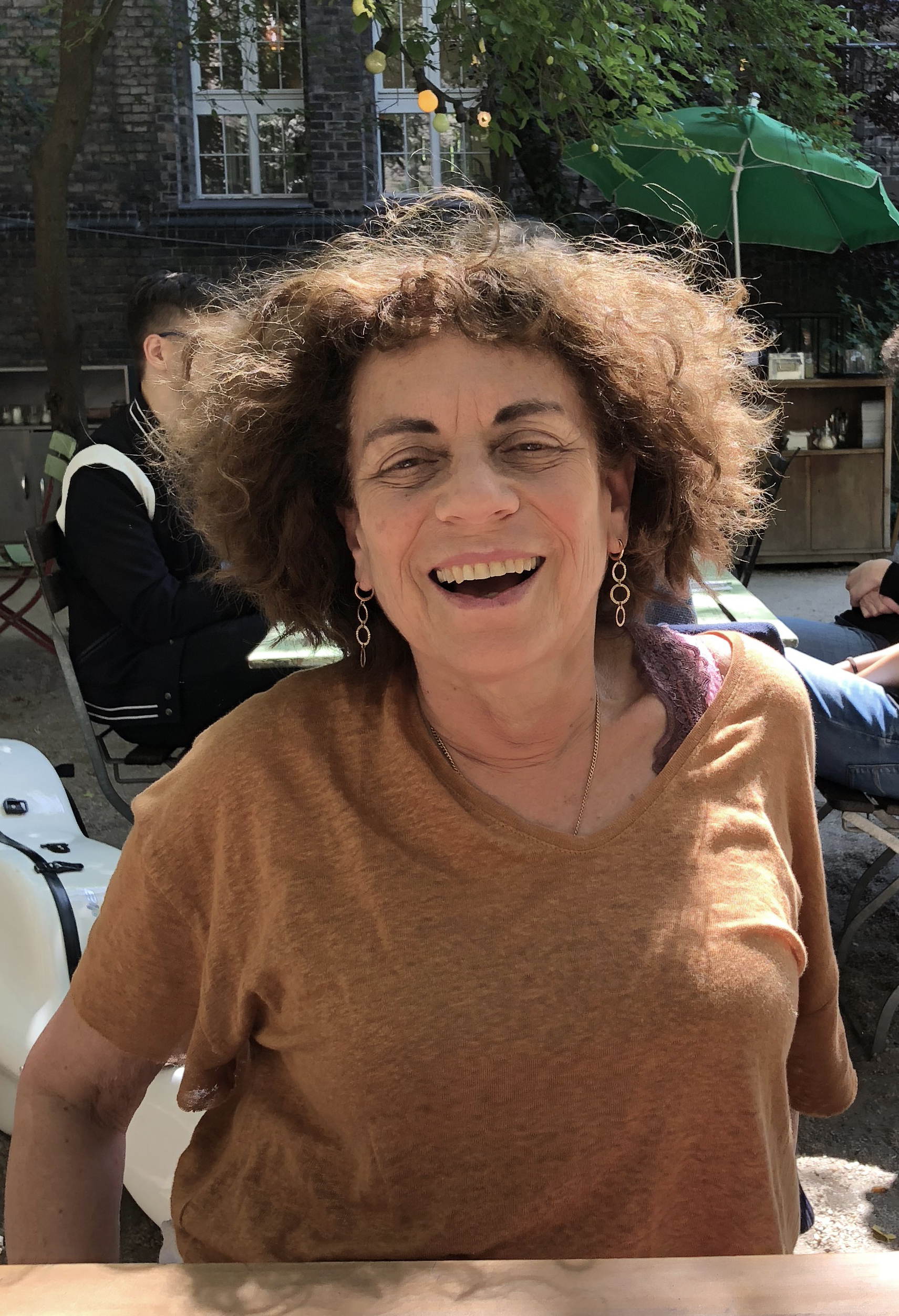
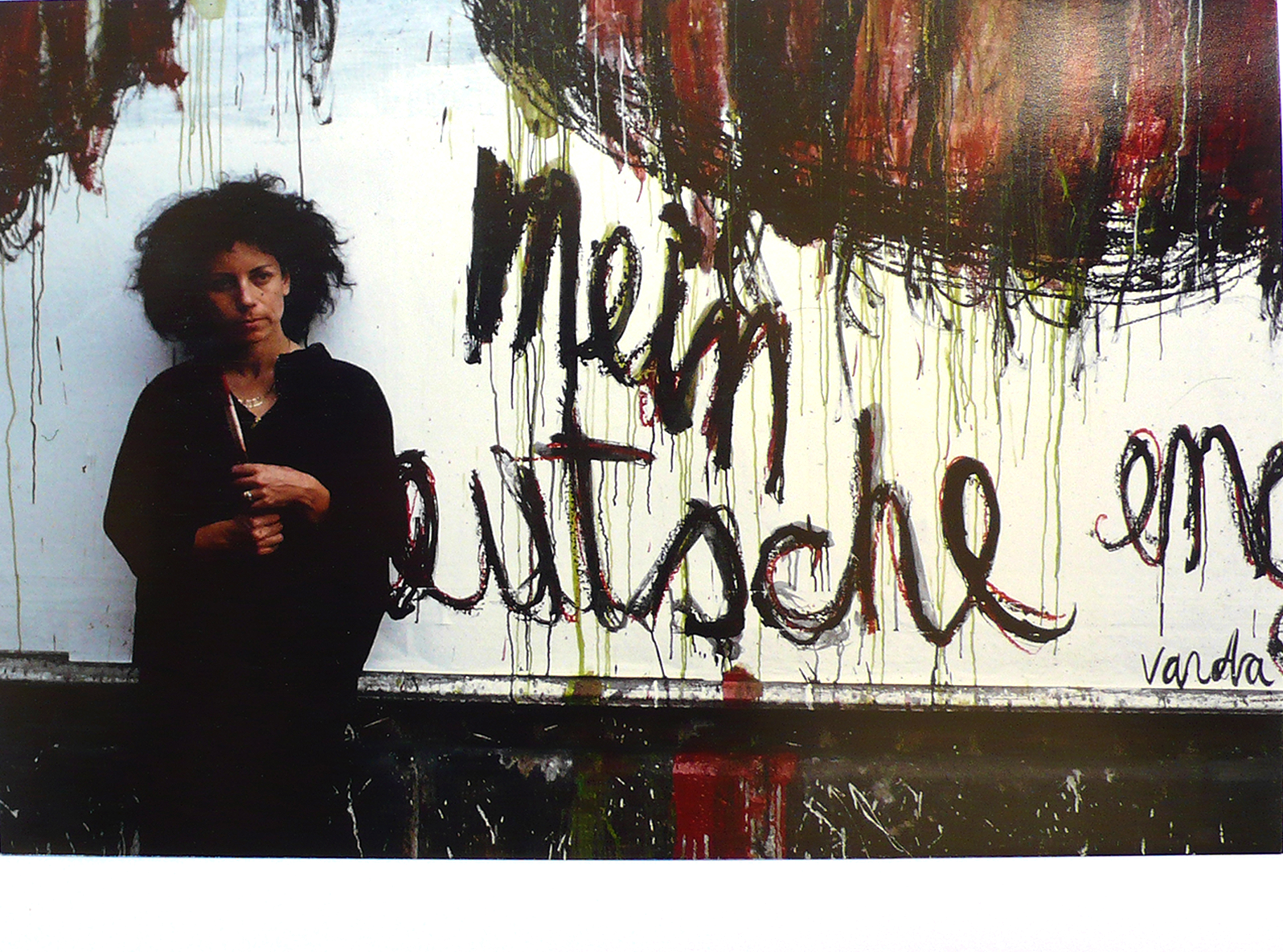
Varda Getzow was born in Israel in 1955. She graduated from the Royal Academy of Art in the Hague in 1974, then the Kalisher School of Painting in Tel Aviv, to initially pursue her artistic activity principally in Israel, although her acclaimed expressionist exhibition of 1982 Einfach ein Schwein (Just A Pig) was held in Tel Aviv and then in Berlin long before she settled in the latter city. After her arrival to Germany, Varda Getzow directed her attention to the difficult relation between Germans and Jews, and her techniques began to evolve towards subtler forms of expression. During her 12-month residency in London, financed by a grant from the Berlin Senate for Cultural Affairs and the German Academic Exchange Service (DAAD) in association with the Whitechapel Art Gallery, she began experiments with found objects and site-specific installations, and addressed the topic of affiliation and alienation, close to her due to her family background. Her artistic and social activity in the following years, guided by the mission of reviving humanity of the nameless victims of the Holocaust, aiming to make their historical existence real, and their memory tangible, included placing memorial stones, known as Stolpersteine, in Cochem and Berlin.
The work of Varda Getzow derives its meaning not only from the topics she addresses but also from the places she selects for her exhibitions. Her works were displayed not only in a number of museums in Israel, Berlin, London, Madrid or Lodz, but also in a Tel Aviv shopping mall, London hotel room and the Berlin New Synagogue (in 2001).
Her latest works included in her individual exhibition “Under Your White Stars”, inspired by the green space of KL Plaszow memorial site, and displayed in Oskar Schindler’s Enamel Factory, are given an additional context by obvious reference to the difficult history of Krakow.
The exhibition featuring Varda Getzow's installation “Under Your White Stars” is open as of 6 October 2022 in Oskar Schindler’s Enamel Factory at 4 Lipowa Street. Dr. Dalia Manor is the exhibition curator.
The work of Varda Getzow derives its meaning not only from the topics she addresses but also from the places she selects for her exhibitions. Her works were displayed not only in a number of museums in Israel, Berlin, London, Madrid or Lodz, but also in a Tel Aviv shopping mall, London hotel room and the Berlin New Synagogue (in 2001).
Her latest works included in her individual exhibition “Under Your White Stars”, inspired by the green space of KL Plaszow memorial site, and displayed in Oskar Schindler’s Enamel Factory, are given an additional context by obvious reference to the difficult history of Krakow.
The exhibition featuring Varda Getzow's installation “Under Your White Stars” is open as of 6 October 2022 in Oskar Schindler’s Enamel Factory at 4 Lipowa Street. Dr. Dalia Manor is the exhibition curator.
For download