About the Museum
The KL Plaszow Memorial Museum in Kraków, which is dedicated to the remembrance of the victims of the Plazow German Nazi Labour Camp and Concentration Camp (1942–1945), started its operations on 1st January 2021 in line with a resolution adopted by the Kraków City Council.
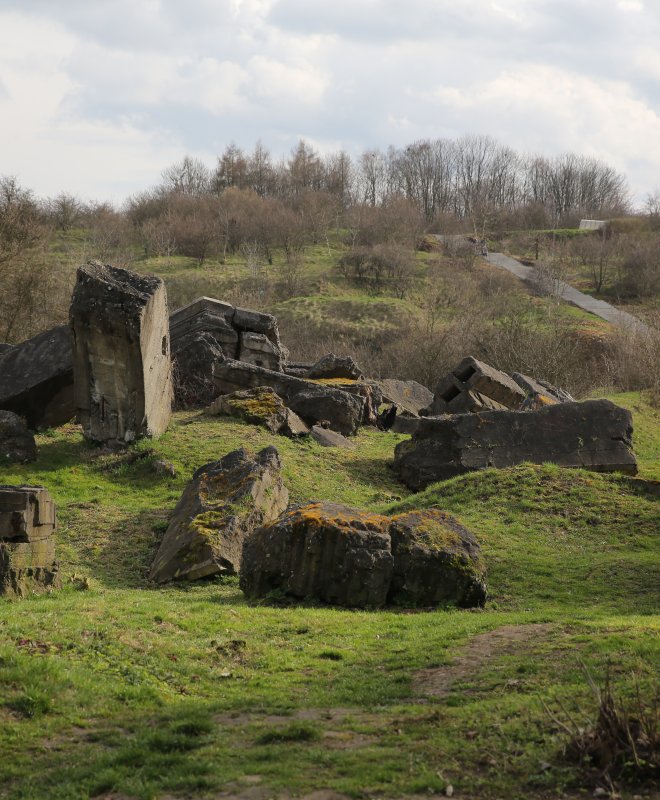
The KL Plaszow Museum is established to preserve and manage the area of the former German Nazi concentration camp in Plaszow, operated in 1942–1945. According to estimates, about 35 thousand prisoners were detained in the camp: Jews, Poles and other nationals. 5–6 thousand people were killed in the camp.
The Museum performs research and educational tasks aimed to commemorate the history of KL Plaszow and its victims. The institution manages the former camp area entered in the list of protected heritage monuments, and an historical building known as the Grey House. A plot of land adjacent to the former camp area is designated for the Memorial construction. Both the Grey House and the Memorial will host permanent exhibitions illustrating the history of the camp.
The end of investment of the KL Plaszow Museum is scheduled for late 2027.
The KL Plaszow Museum is established to preserve and manage the area of the former German Nazi concentration camp in Plaszow, operated in 1942–1945. According to estimates, about 35 thousand prisoners were detained in the camp: Jews, Poles and other nationals. 5–6 thousand people were killed in the camp.
The Museum performs research and educational tasks aimed to commemorate the history of KL Plaszow and its victims. The institution manages the former camp area entered in the list of protected heritage monuments, and an historical building known as the Grey House. A plot of land adjacent to the former camp area is designated for the Memorial construction. Both the Grey House and the Memorial will host permanent exhibitions illustrating the history of the camp.
The end of investment of the KL Plaszow Museum is scheduled for late 2027.